26 August 2026
By Fiona Bridger, Senior Researcher and Writer
If you have spent any time online, in a workplace or reading a corporate report lately, you have probably heard “inclusion” so often it is becoming the corporate equivalent of “Have a nice day”. It is everywhere: inclusive workplaces, education, communities and design. The intention is good, but when a word is used often enough, it can lose meaning. For disabled people, inclusion isn't just something we talk about. It is something we experience every day.
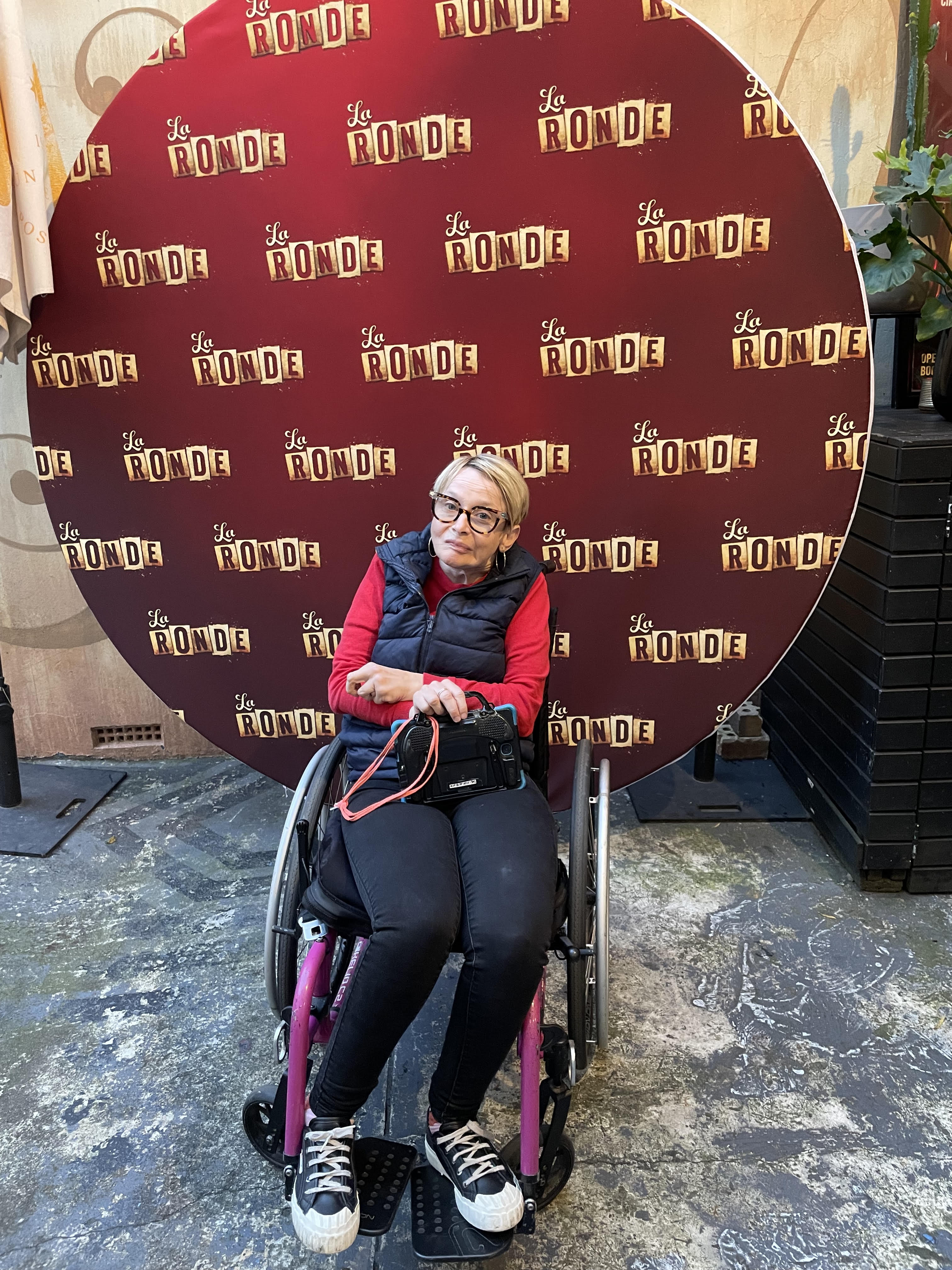
Sometimes, it is as simple as trying to get home. Recently, my wheelchair-accessible taxi broke down, so we had to catch a train. Simple enough, right? Well, not so much. We were told we needed to notify train employees in advance so they could arrange a ramp. Slight problem: taxis don't schedule their breakdowns. We couldn't find an employee straight away, and even after we explained what had happened, help wasn't immediate. response. The experience highlighted something important: accessibility isn't only about having a ramp.
For me, inclusion is simple: equal, fair and accessible. That includes work, travel, education, relationships, becoming a parent, making decisions about your own life and taking part in your community. It doesn't mean awarding disabled people a gold star for showing up. It means breaking down barriers that shouldn't have been there in the first place.
Australia has made progress, but we shouldn't mistake progress for completion. We still have a long way to go, especially in the workplace. Employment is a clear example. Disabled people stay underrepresented in the workforce, and accessibility shouldn't disappear between the interview room and the staff kitchen.
This is something I care about, and it is also something Achieve Australia is actively working on. Achieves’ Disability Inclusion Action Plan 2024–2027 aims to remove barriers across work, communication and technology. The organisation has also created a Disability Employee & Accessibility Network, bringing together employees with lived experience and allies to help shape accessibility. Inclusion shouldn't just be something organisations say. It should be something people can feel.
Accessibility is much bigger than ramps, lifts and accessible toilets. Captions, readable websites, communication devices, flexible working arrangements and clear information all matter. That is where co-design comes in. Why spend thousands creating a service, only to discover that the people it is supposed to help can't use it? Ask them first. It sounds revolutionary. It really shouldn't be.
Inclusion is also about more than providing a service. Achieve Australia's Community Participation supports people to build confidence, independence and connection through learning, volunteering, employment and community participation. There is a big difference between being taken somewhere and being included somewhere. One is a service. The other is belonging.
Representation matters too. Disabled people should be seen as leaders, artists, parents, employees, business owners, advocates and friends, just like everyone else. We don't need every story to be about overcoming adversity. Sometimes I just want to exist without being turned into a motivational quote.
That is why initiatives such as Achieve Australia's Artful matter. Delivered with Accessible Arts, Artful gives artists with disability an opportunity to have their work seen, celebrated and taken seriously. It creates a genuine opportunity for their work to be valued on its own merits, rather than treated as a diversity exercise.
This year, Artful is going even further, with an exhibition making its way to Parliament House. Seeing the work of artists with disability shown at Parliament House is inclusion in action. And that's the thing about art: it doesn't ask people to feel sorry for you. It asks them to look.
The uncomfortable truth is that we can have accessible buildings and inaccessible attitudes. We can have inclusive policies and exclusive practices. We can have a wheelchair ramp and still create a system that makes someone feel like a burden for using it. Inclusion can't be housed in a policy document. It must live in everyday situations: at the train station, workplace, classroom, doctor's surgery, website, job interview and, sometimes, a broken-down taxi.
My train experience wasn't a national crisis. It was one small moment in one day. But that's exactly the point. For disabled people, exclusion isn't always dramatic or at once visible. Sometimes it is a hundred little inconveniences, assumptions and barriers that make everyday life harder than it needs to be.
For me, genuine inclusion means not having to justify why I should be able to get home when my taxi breaks down. It means being able to work, travel, communicate, take part and dream about my future without accessibility being treated as an optional extra.
Inclusion isn't about making room for disabled people. We already have a place at the table.
Now we just need to make sure the table isn't upstairs.
That should not be controversial. Ever!