
28 October 2026
By Fiona Bridger, Senior Researcher and Writer
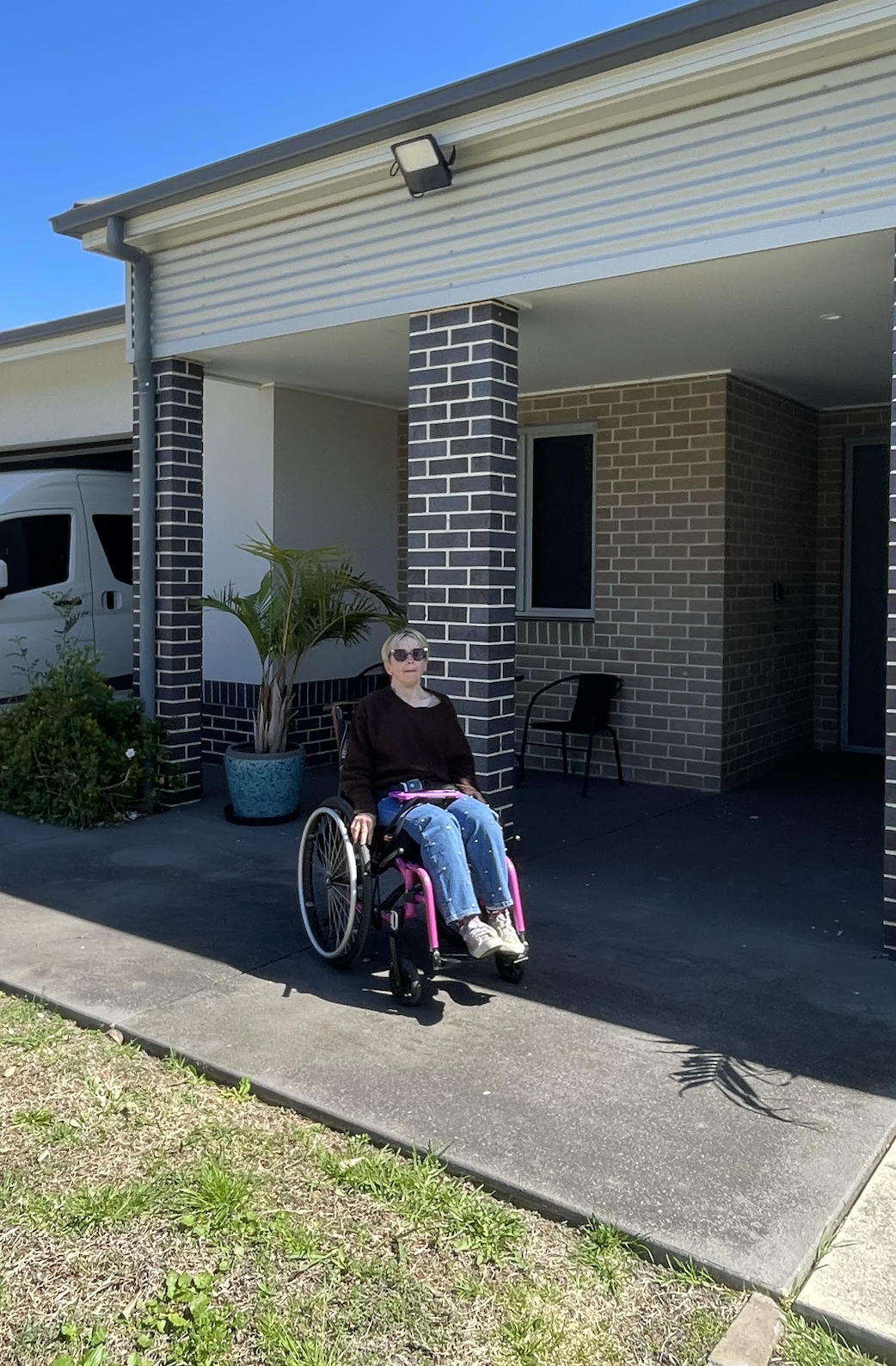
Some places you visit and think, ‘That’s lovely.’ Others stay with you long after you leave because they make you think differently about what is possible. Llandilo is one of those places. Spread over five acres of Australian land, it has four houses, with five people in each. The homes are spacious and filled with natural light, with large kitchens, two living rooms and doors opening onto gardens. Lorikeets and cockatoos fly overhead, with plenty of space to wander outside, visit another house or enjoy being outdoors.
The setting is beautiful, but the longer I spent at Llandilo, the more I realised the gardens weren’t what made it special. What stayed with me was the freedom, and how that came about for people with complex support needs and behaviours that can be difficult to understand.
At the heart of that story is Anne, Llandilo’s Service Manager. When she came to Llandilo, some restrictions had been in place for years. Some were necessary, including medication-related restrictions, while others had continued simply because they were familiar. Anne started asking a deceptively simple question: why?
Changing established practices was not easy. There was some resistance from people’s support networks because removing restrictions can create uncertainty. Anne wasn’t the most popular person in the room for a while, but she kept going. Working with her team, families and behaviour support clinicians, she challenged practices that unnecessarily limited people’s independence and, wherever it was safe and proper, those restrictions were removed.
The results have been remarkable. Llandilo supports people with complex behaviours and high support needs, but as the approach changed, incidents dropped dramatically. What had once been measured in the hundreds can now be counted on two hands. Behind that reduction are people living differently, with support based on understanding rather than control.
There is no one-size-fits-all approach. Each person has their own behaviour support approach, and the team looks beyond what someone is doing to understand what they might be communicating. It means getting to know the person behind the behaviour.
That philosophy requires employees willing to learn, adapt and get to know the people they support. Around 65 to 70 employees work across Llandilo, and Anne encourages the team to understand each other’s roles, learn new skills and take on different responsibilities. Families are part of people’s lives, not visitors to a service. The team has helped rebuild lost relationships, including reconnecting people with siblings and supporting one person to travel to Port Macquarie with a team member to see his father, whom he had not seen for seven years.
Life at Llandilo is about so much more than support. People go to beaches, markets, concerts, shows, movies, bowling, pubs, lunches and car shows. They go fruit picking at Bilpin, visit the Blue Mountains and Canberra, take holidays and explore locally. Others enjoy music, barbecues, golf buggy rides or simply wandering around the grounds. A good day might be an outing, seeing family or simply enjoying some outside.
The local community has become part of that life. Sly, a local man, takes people out on motorised trike rides, while people from the surrounding area come through the gates and friendships form. At Christmas, all four houses come together with families, music and plenty of food, with the local fire brigade joining in too. Last year there was a live band; this year there will be a DJ, hot potato truck, ice cream, dumplings, ham and a dancing Santa on his trike. It feels like a community Christmas party, rather than an event being put on for people who live in a service.
Perhaps the most powerful evidence of what Llandilo has become is on the walls. Pictures show people laughing, travelling, celebrating, spending time with family and having fun. They’re not polished promotional shots. They look like real moments from real lives.
Llandilo is more than four houses on five acres. It is what happens when someone challenges old practices, a team is willing to learn, and people are the support to thrive. Anne and the Llandilo team have shown that complex support needs don’t have to mean a smaller life.
If this can happen at Llandilo, it asks disability services everywhere an important question: why shouldn’t it be possible in other homes across Australia too?