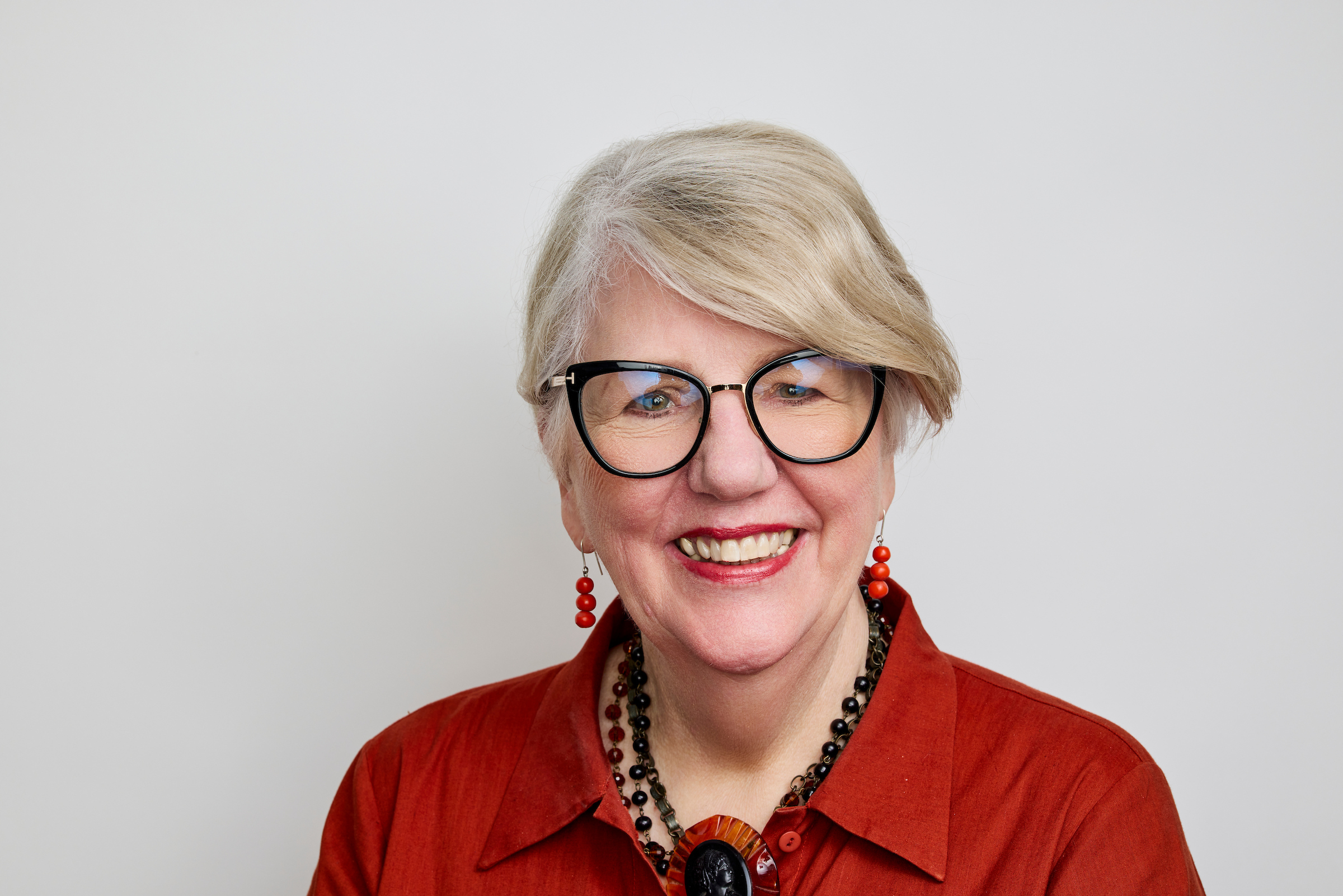
By Achieve Australia CEO, Jo-Anne Hewitt
2 November 2026
When Achieve's founding parents came together in 1952, they did not just want a service or a set of supports for their children. They wanted their sons and daughters to have a life: a home, friendships, work and a place in their community. More than seventy years later, that remains the test for any quality disability support service.
Under current rules, the NDIS too often reduces support to a transaction: hours purchased, invoices paid and risks managed. Keeping people safe is essential, and one-to-one support is often the right response for many people with complex needs. However, protecting life and limb must be the floor, not the ceiling. A person can be safe and fully funded, yet still profoundly isolated.
What makes a community?
It’s too easy for community to become an aspirational add-on for people with NDIS plans. In practice, it is the essential network of relationships, places and roles through which a person is known and valued. For people with disability, it also includes their support circle: family, friends, advocates and support workers who know the person well and help them make decisions.
We aren’t waiting for governments to act
At Achieve, community is something we build deliberately and continuously. Supported decision making is at the heart of our operating model, so decisions about a person's supports are made close to the frontline and in close connection with their support circle.
Through our inclusive governance framework, our clients shape their own services, and people with disability have a say in decision making at every level across our organisation.
We continue to partner with SDA and Community Housing providers like Inclusive Housing Australia to give our clients access to high quality homes and security of tenure, because belonging begins with a stable place in a community.
Across our five Sewing Basket stores from Caringbah to Casino, our staff and volunteers including people with disability, create connections that extend well beyond employment. These relationships and experiences are often the glue that maximises the value of formal supports.
Building a system that works for people and government
Prof Mark Considine’s The Careless State is a timely read. He argues that four decades of market-based reform has left successive Australian Governments with weak levers to maximise quality and outcomes from their significant growing investments.
Under the current system, people with disabilities and their support circles often do not have the critical information to make informed decisions which providers and services are best for them. Considine's response is to shift from ‘choice to voice’. People using services and their families must have a genuine say in service design and delivery – this is also the key to delivering value for government, and protecting the social license of the NDIS.
Building community into the NDIS means:
-
funding supports using a 'whole of life' model that recognises the role of a person's support circle
-
adopting belonging, autonomy and safety as key measures of success, alongside cost and quality
-
investing in the complementary systems beyond the NDIS including housing, employment, health and transport, that make genuine community participation possible
-
using the Disability Reform Ministerial Council for genuine joint stewardship, informed by people with disability, quality providers and independent advice
-
building quality into pricing and registration, so that good providers can invest in relationships, not just rosters.
This is the basis for creating a system that is easy for participants, sustainable for quality providers and defensible for governments.