
30 April 2026
By Fiona Bridger, Senior Researcher and Writer
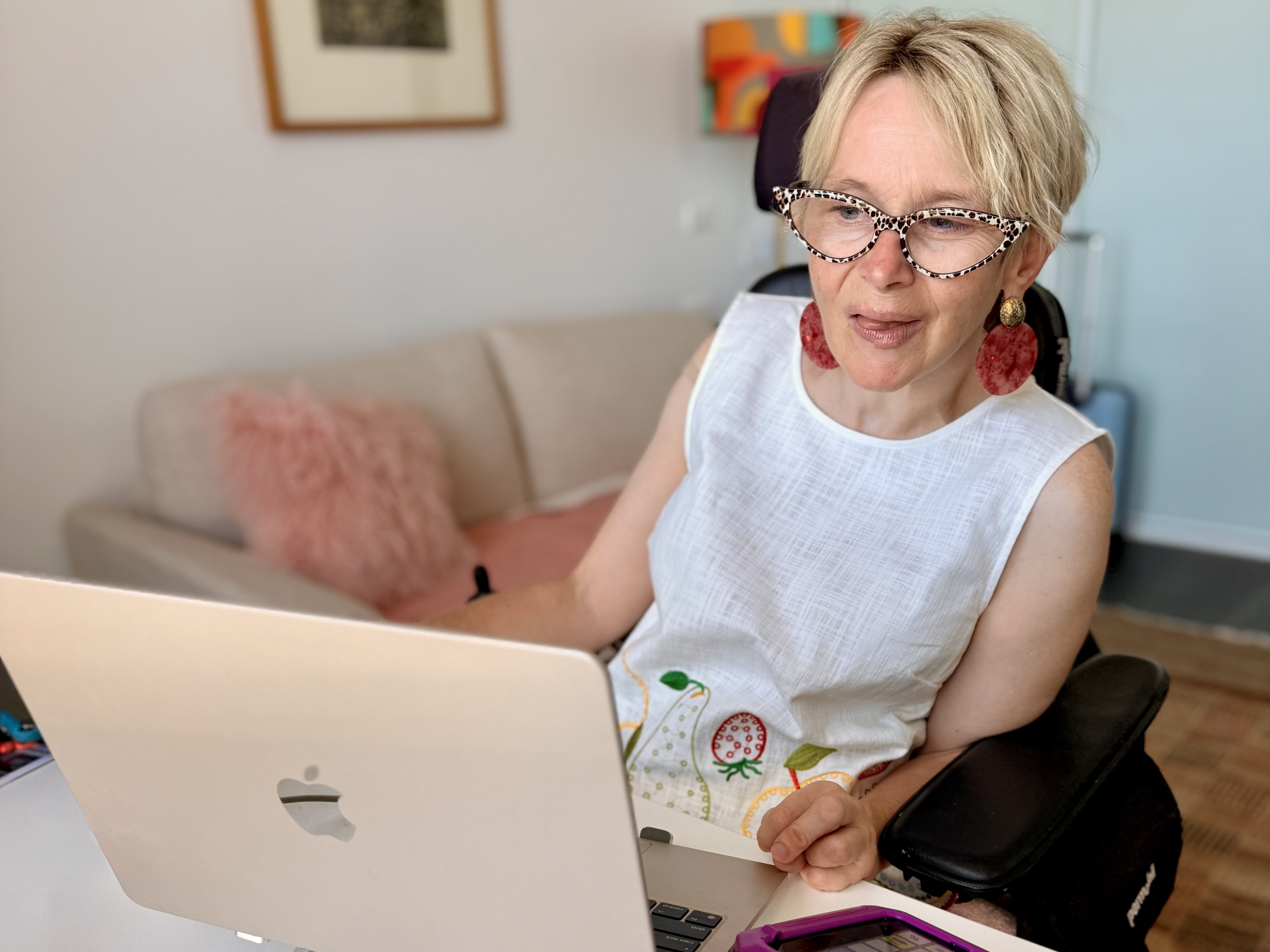
I have longed to move out for quite some time. This was not about avoiding anything. It was about growth. It was about proving to myself that I could live independently, despite having cerebral palsy, being 42 years old, and even after a lifetime of being cared for by my mum.
When I finally found somewhere close to her, somewhere that would allow Oliver, my dog and constant companion, it felt like the right decision. I was excited. I was proud. I was determined to succeed. Or at least I thought I was.
The weeks leading up to the move were filled with a strange mix of joy and denial. Buying things for myself felt symbolic, as though I was claiming adulthood in a new way. Yet beneath that excitement sat a quiet fear that I did not fully recognise. Mum had been my safe harbour for over four decades. She was not only my mother. She was my routine, my reassurance, and my constant presence. Moving out felt less like changing addresses and more like cutting an invisible cord.
The first night alone was harder than I expected. Even with support workers coming and going, even with Oliver beside me, Mum’s absence felt loud. We were so used to seeing each other every evening. The rhythm of our life together had been steady and predictable. Suddenly, there was silence. I had not realised how lonely independence could feel.
There are beautiful parts to living on my own. Choosing what I want to watch on TV, deciding exactly what I feel like eating, going to the shops with Oliver on my lap, and knowing that I am the one making decisions. Those moments are empowering. They remind me of the reasons I wanted this change.
However, independence is complex, especially when you live with a disability.
The building where I live is home to families, couples, and several people with disabilities. There is an agency attached to the apartment block that provides short daily care visits. I thought it would make sense to use them for evening support. On paper, it seemed practical. In reality, it became one of the most confronting parts of this journey.
My needs are specific and personal, and every staff member had to be trained to support me properly. They needed to learn how to feed me safely, how to manage my medication, how to manually handle my body, and how to communicate with me. These are not simple instructions written on a page. They are intimate details of my life.
Sitting through those training sessions felt like exposing parts of myself to strangers. My body became something to demonstrate. My needs became something to practise on.
One particular session changed everything. A male staff member was present during a manual handling session. He was meant to practise transferring me from my chair to the toilet. I had never had a male carer assist me in that way before. I was not prepared for how vulnerable it would make me feel.
As he stood there ready to practise, I felt panic rising in my chest. Suddenly, my body, something I have fought so hard to own and advocate for, felt as though it was no longer mine. I began to cry. I struggled to breathe. I could not continue.
In that moment, independence did not feel empowering. It felt exposing.
That experience shifted something in me. Living independently does not mean sacrificing dignity. It does not mean placing myself in situations where I feel unsafe or overwhelmed. I am still entitled to privacy. I am still allowed to choose who touches my body. Disability does not take away that right.
After that, I decided to continue using my own support workers in the evenings. It was not the original plan. It costs more, and it complicates things. But emotional safety is more important than convenience.
Then there is Mum.
No one prepares you for the emotional transition of leaving your primary carer after more than forty years. Even though we live close to one another, everything feels different. There are nights when I miss her in a way that feels physical. A heaviness in my chest. Tears that come unexpectedly while watching television. It feels like grief, even though she is still very much part of my life.
I think part of the ache comes from the shift in our roles. I am no longer simply her daughter living at home. I am a woman building her own life. That is beautiful. It is also painful.
Sleeping alone has been another adjustment. The first few nights felt overwhelming. The quiet seemed too loud. I felt small in ways I have not felt in years. It surprised me. I am strong. I advocate for others. I write about disability pride. Yet I found myself lying awake, feeling both grown up and strangely childlike at the same time.
This month has been a rollercoaster of empowerment and vulnerability. I am proud of myself. I feel stretched and challenged. I feel strong. I also feel lonely at times. I cry at moments I do not expect. I feel torn between wanting independence and longing for the comfort of what has always been familiar.
Gradually, though, something is shifting.
I am building new habits. Small rituals bring comfort. I am learning that courage is not loud. Sometimes courage is simply staying where you are, even when part of you wants to run back to safety.
Moving out at 42 has not been a neat or triumphant leap into freedom. It has been messy, emotional, confronting, and tender. Perhaps that is what real growth looks like.
I am still adjusting. Still grieving. Still learning.
But I am also becoming.
And even on the hard days, that feels powerful.