22 December 2025
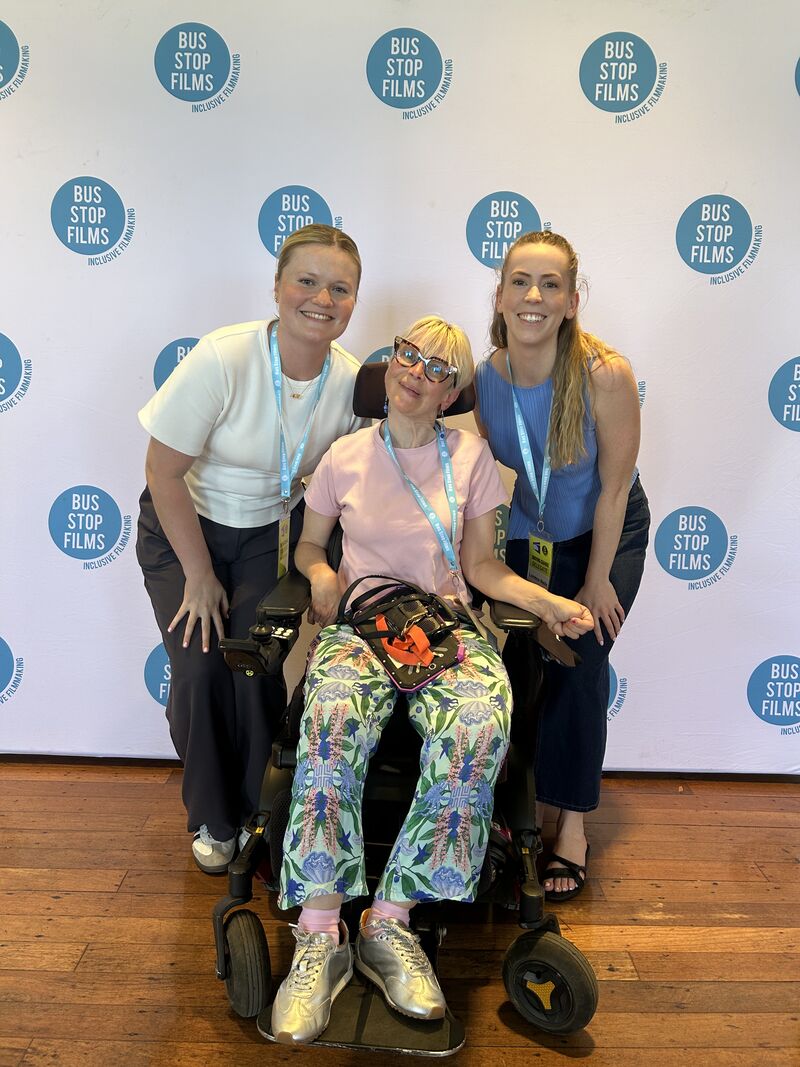
Employment in Australia’s creative industries, including film, advertising, and production, is evolving, but there are still some systemic barriers that remain for disabled creatives. At Bus Stop Films’ Driving Change Employment Summit, 2025, many leaders, artists, and policymakers gathered to explore how to make these industries equitable, accessible, and truly representative.
Dylan Alcott AO is an Australian former wheelchair tennis player, former wheelchair basketball player, radio host, actor, foundation founder, business owner, and motivational speaker. He is a creative who summed up the summit’s ultimate goal:
“If I had a magic wand, I’d make a world where panels like this aren’t needed, where disability is so normalised that authentic representation is simply the norm.”
Creatives with a disability bring unique perspectives and stories to the screen, yet these voices are often sidelined. As one First Nations filmmaker said:
“We don’t need much training; our culture provides it. We are actors, storytellers, artists. Our culture is over 60,000 years old.”
The summit highlighted how media can both amplify real experiences and educate audiences. Filmmakers generously shared their personal struggles in trying to navigate a system that is dominated by outdated, Western frameworks. These limit access to funding, credits, and opportunities. One participant described feeling “not Black enough, not disabled enough, not a good fit”, illustrating the persistent “box” that defines who is considered employable or fundable in creative spaces.
Employment in film and production is not just about talent; it is about systems and structures. Screen agencies emphasised that disabled creatives often face barriers in accessing industry-standard roles, internships, or mentorships. Collaboration between the industry, access coordinators, and support organisations is essential, but structures must be adapted to make inclusion feasible.
Patrick McCarthy from Creative Workplaces Australia explained the importance of safe and equitable working conditions:
“Creative workplaces are here to help make the creative industries fair, safe, and respectful. Because when people are supported, creativity thrives.”
Practical interventions include:
Access coordinators on set to ensure disabled creatives can fully participate
Clear policies around discrimination, bullying, and accessibility
Tailored employment pathways that account for varying capacities and lived experiences
It is not all doom and gloom; policy changes are creating openings for systemic change. For example, Dr Jenny Crosby spoke about shifts in employment services, including voluntary participation for people with low work capacity and targeted grants. These measures should help creative people who are living with a disability enter the creative sectors earlier in their careers.
Other notable contributions to the discussion came from Adam Smith of The Everyone Project, who stressed the importance of evidence and data in truly measuring the effectiveness of any strategies to improve outcomes:
He stated, “You need to actually measure it to know whether you are addressing exclusion.”
Through benchmarking workforce representation, industry stakeholders may be able to track progress, identify gaps, and ensure that meaningful inclusion initiatives are being used. If the creative sector can adopt data-driven approaches, this may also help shift policy from “optional inclusion” to standard practice, supporting disabled creatives in meaningful, paid roles.
Moana Blett discussed the upcoming National Code of Practice, designed to provide practical guidance on access, equity, and inclusion for organisations across the arts:
“It will be a one-stop shop with values, principles, and actionable steps, helping both disabled and non-disabled individuals navigate inclusion.”
Sarah Maace Dennis of Arts and Disability Network Australia emphasised the need for community-led policy:
“Access is really about creating time and space to discover people’s access needs… to talk about who we are and how we need to change our structures to do things differently.”
This approach ensures policies are not top-down mandates, but responsive, collaborative frameworks reflecting the lived experiences of disabled creatives.
Rapid technological change, including AI and digital tools, presents both opportunities and risks. While AI may expand creative potential for those who did not have access ten years ago, it may also threaten jobs if creative people living with disability are excluded from both design and application.
Another notable contribution came from Joe Mornt of Unlimited UK, who captured the essence of access in the creative industries:
“Access isn’t just about access to individual artworks. It’s about access to ambition, so that all can see reflections of themselves, and be seen as part of humanity.”
The summit’s discussions reinforced that true inclusion is not charity; it is systemic, practical, and intentional.
Creative people living with disability must be supported with:
Accessible pathways into film, advertising, and production roles
Mentorship and professional development
Data-backed policies and workplace standards
Community-driven initiatives that shape industry priorities
The creative industries thrive on authenticity, diversity, and storytelling. Opening the box of potential in this industry and dismantling barriers will assist creative people living with disability not only to participate in art and film but to lead and shape the future of media and culture.
Dylan’s magic wand may be hypothetical, but the summit and its insightful speakers demonstrate a clear path forward, one where creative people living with disability can work, create, and lead without restriction. That is a change worth driving.